LEGAL STATUS — verified 1 Nov 2026: No temporary Schedule I order for concentrated 7-OH has been published. DEA's 14 Oct 2026 notice of intent would allow an order on or after 13 Nov 2026. MGPI, MGM-15, and MGM-16 remain in Schedule I under the 26 Aug 2026 temporary order. Recheck the Federal Register before counseling.
Press & media
Press & media
Clinical perspective, research references, and interview resources for journalists covering concentrated 7‑OH, dependence, treatment, and public policy.
Regulatory status verified: 1 November 2026Page updated: 1 November 2026
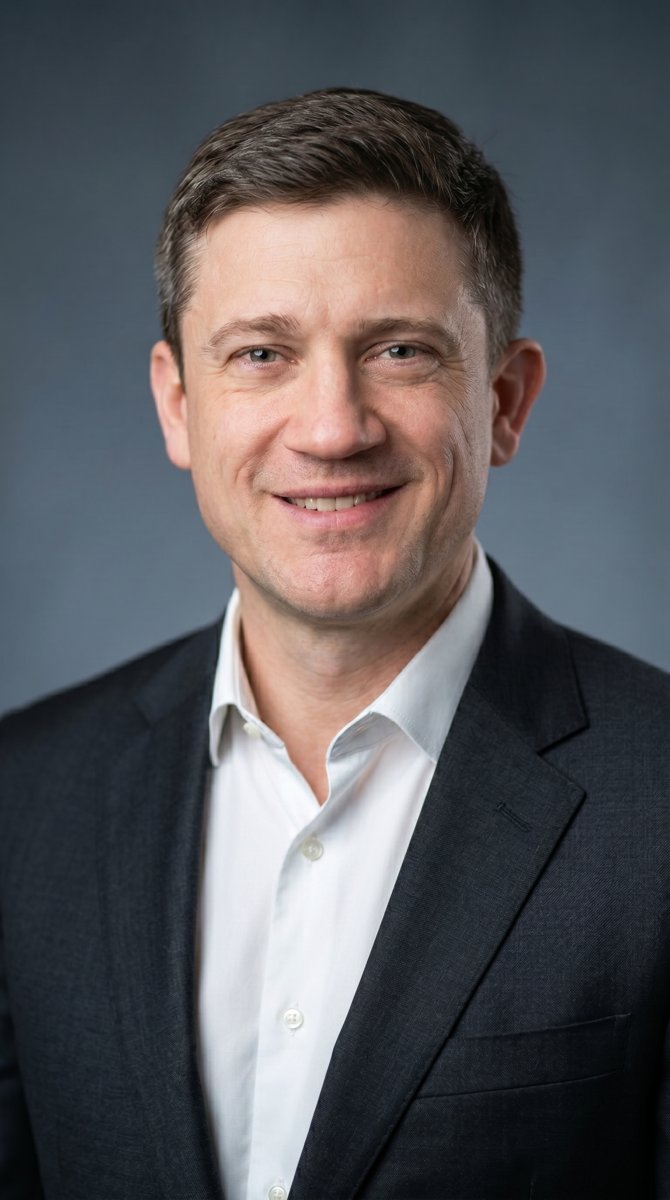
Brian Harris, MD · Credit free for editorial use with name
Brian Harris, MD
Addiction Medicine · Anesthesiology · Sleep Medicine EusomniaMD · San Francisco Bay Area (Pacific)
Available for background briefings and on-record interviews, and available to verify medical and scientific details. Local, national, and international outlets welcome.
Labels mark what kind of claim each point is. Prefer primary sources linked below for regulatory facts.
Published / agencyConcentrated 7-OH is not ordinary kratom leaf. Federal materials describe commercial products with far higher 7-hydroxymitragynine concentrations than traditional leaf preparations.
Agency noticeA temporary Schedule I order for 7-OH above the HHS threshold has been noticed, not yet published. Once published, temporary controls under 21 U.S.C. 811(h) take effect on publication; the notice describes no sell-through period.
Clinical experienceDependence does not end on the effective date. People who have been using high-dose retail products daily often need a planned treatment bridge.
Clinical concernWhen retail access ends without care, some people may seek illicit opioids—including products that can be contaminated with fentanyl. That is a substitution risk clinicians watch for; it is not a measured incidence rate from a published cohort.
Policy recommendationRegulate high-concentration products, and fund treatment access in parallel. Temporary scheduling alone does not create clinics, lab assays, or coverage.
Clinical practiceOpioid use disorder medications are used for 7-OH dependence in practice (buprenorphine, methadone where available; naloxone counseling). This site’s evidence library grades the published support; there is not yet a large controlled trial of commercial high-dose 7-OH as the index drug.
Dated developments
Federal · 14 October 2026
DEA published a notice of intent (91 FR 65370, document 2026-20943) to temporarily place 7-hydroxymitragynine and mitragynine pseudoindoxyl (MGPI) in Schedule I when above a specified threshold: greater than 1 mg/g (solids) or 1 mg/mL (liquids), or when the mitragynine-to-(7-OH and/or MGPI) mass ratio is less than 100. The temporary order may be published on or after 13 November 2026. The July 2026 notice of intent on 7-OH was withdrawn. The notice states that neither HHS nor DEA has found below-threshold products “safe to use.” GovInfo PDF · Federal Register · Legal tracker
Federal · 14 October 2026 (companion)
DEA also published notice 2026-20942 regarding continued temporary Schedule I placement of MGM-15 and MGM-16. MGPI, MGM-15, and MGM-16 have been in Schedule I under a temporary order since 26 August 2026 (a separate FR action from the October notices). GovInfo PDF · Federal Register · DOJ (9 Oct 2026)
San Francisco · 21 October 2026
SFDPH issued a health alert after the medical examiner identified MGM-15 in a resident who died of overdose in late September—described as the city’s first known case involving that substance. The product was sold as “cat’s claw” / Script Botanicals × Maui Labs and did not list kratom or 7-OH on the label. SFPD separately reported seizures of kratom and 7-OH products from city smoke shops. SFDPH health alert · SFPD release
On-the-ground reporting on concentrated 7-OH sold as over-the-counter tablets in U.S. gas stations and smoke shops, with patient and clinician interviews. Brian Harris, MD, was interviewed for the piece and is quoted on dependence, treatment capacity, and the risk that abrupt loss of retail access without a care bridge can push some people toward illicit opioids.
If someone will not wake up or is not breathing, call 911. Naloxone can reverse an opioid overdose. Crisis: call or text 988. SAMHSA National Helpline: 1-800-662-4357. Poison Help: 1-800-222-1222. Find treatment: findtreatment.gov.
Disclosure. This page is written and maintained by Brian Harris, MD, for 7-oh.help / EusomniaMD educational outreach. It is not a government document and is not peer-reviewed as a journal article. Clinical observations described here reflect practice experience unless a primary citation is given.
Corrections. Factual corrections are dated and posted rather than applied silently. Email info@7-oh.help with a source URL or document citation.